A birthday and some more wine
Labels: albarino, Grenache, ramblings, rias baixas, southern rhone, spain, syrah
mainly wine...
Labels: albarino, Grenache, ramblings, rias baixas, southern rhone, spain, syrah
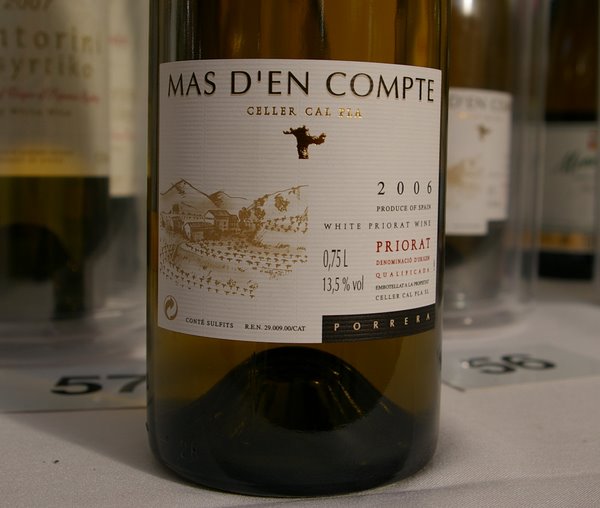
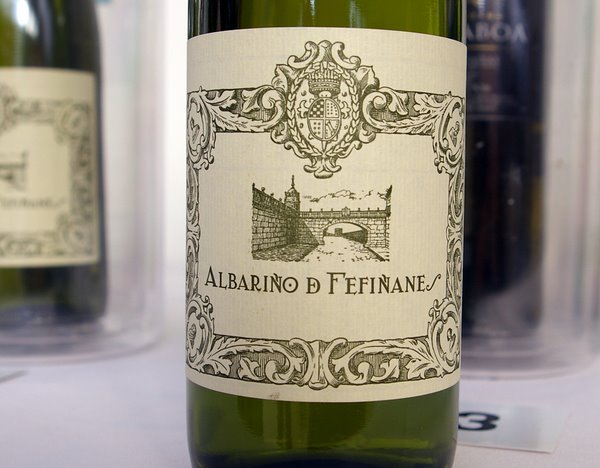
Spent the morning catching up with paperwork, doing some much-needed invoicing, before dodging the showers heading into town. I then headed for a 'Green Spain' tasting, featuring the wines of Northwest Spain - lots of Albarinos, and they were really impressive. The tasting itself was just perfect in a practical sense, too, with self-pour, plenty of space, lots of spitoons, an ideal room and not too many tasters.
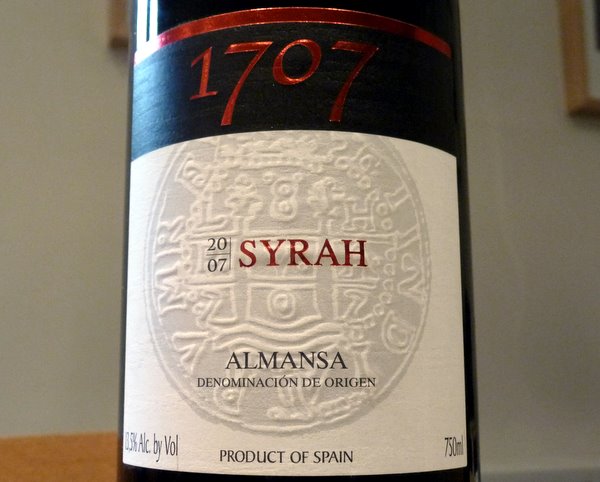
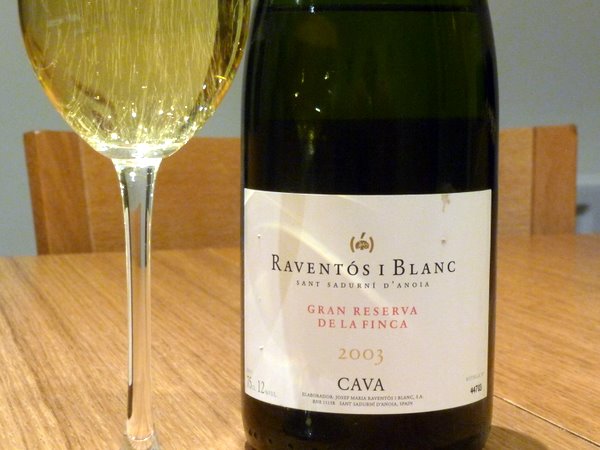
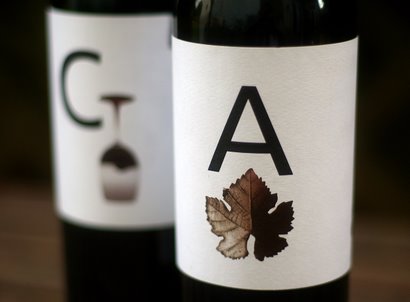
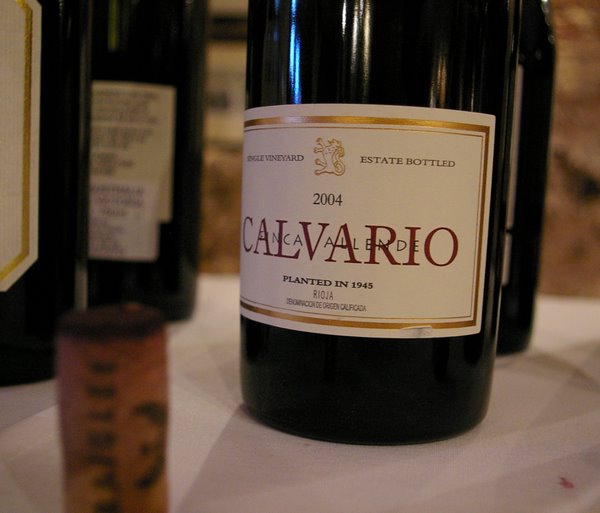
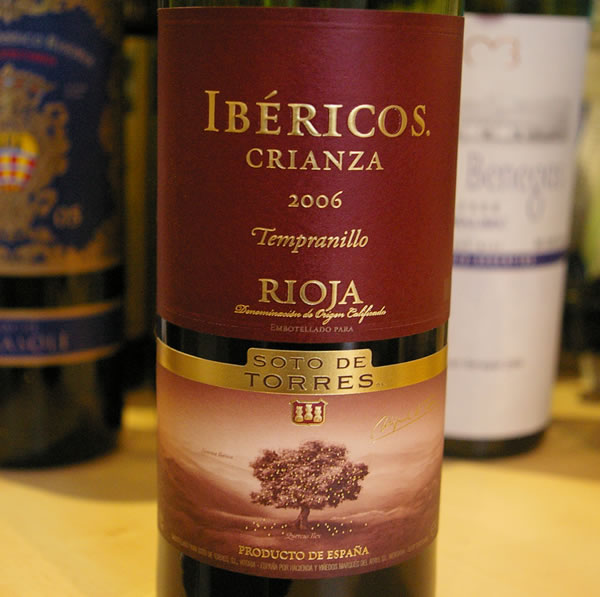
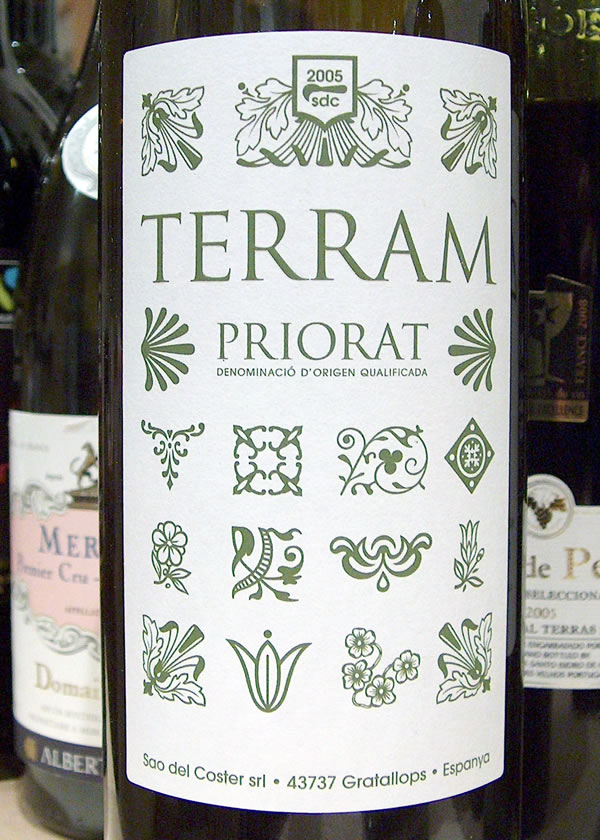
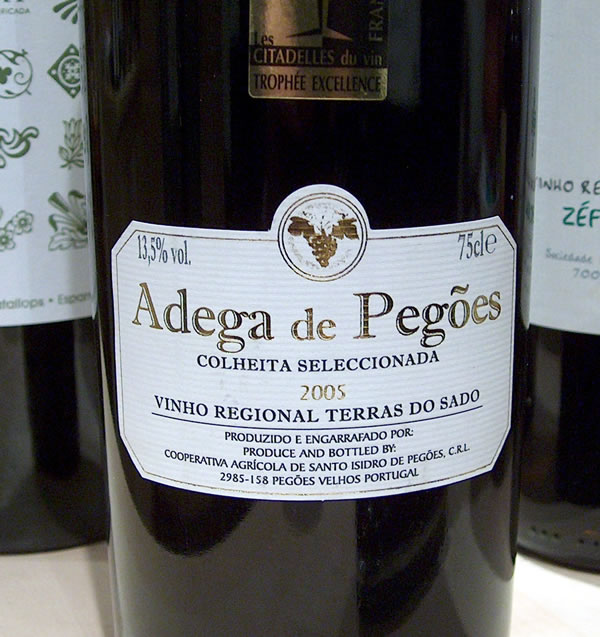
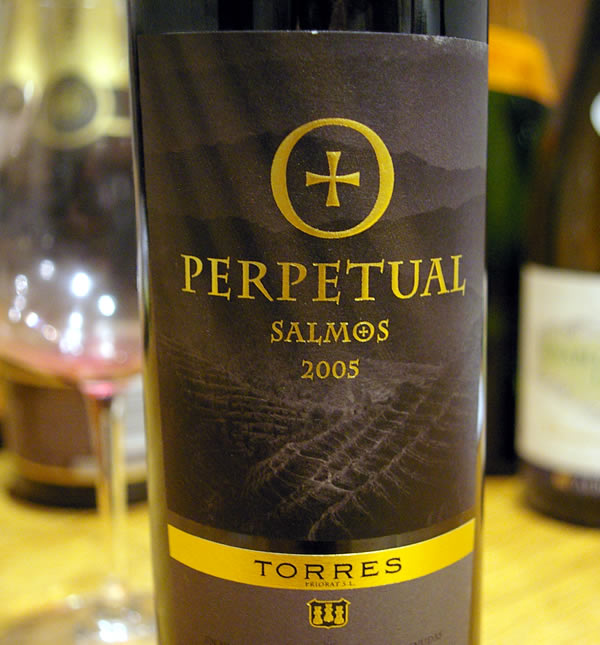
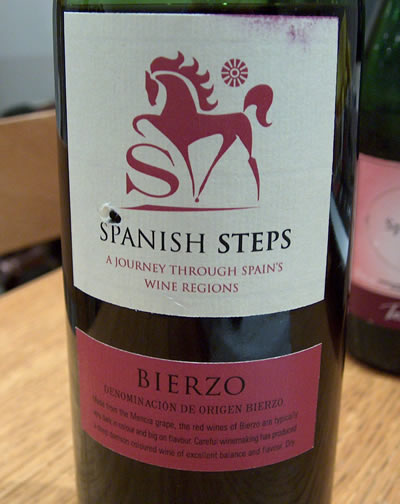
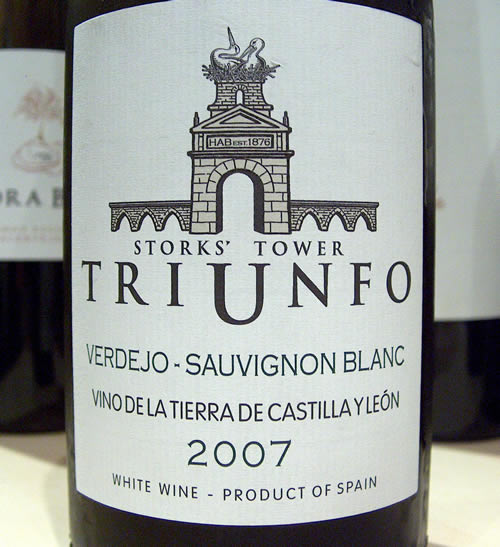
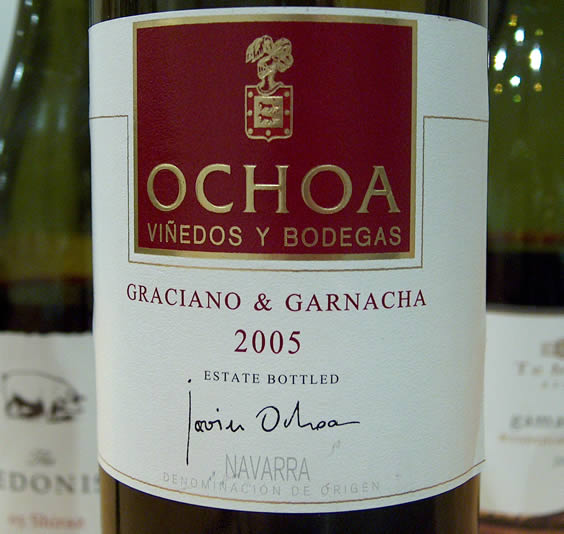
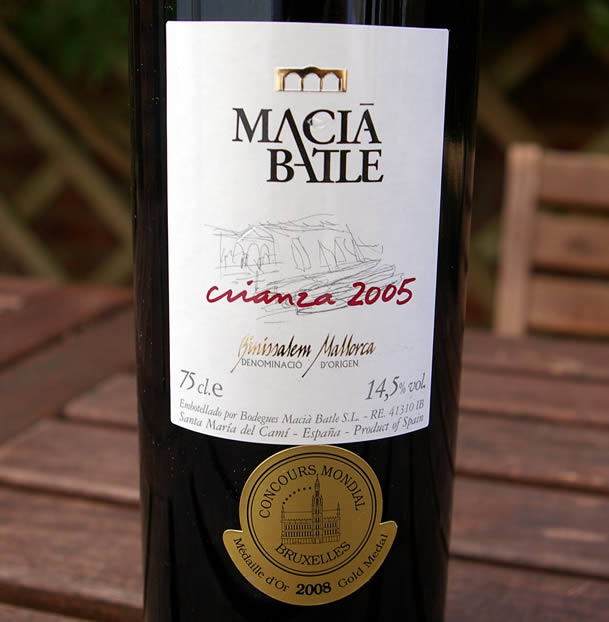
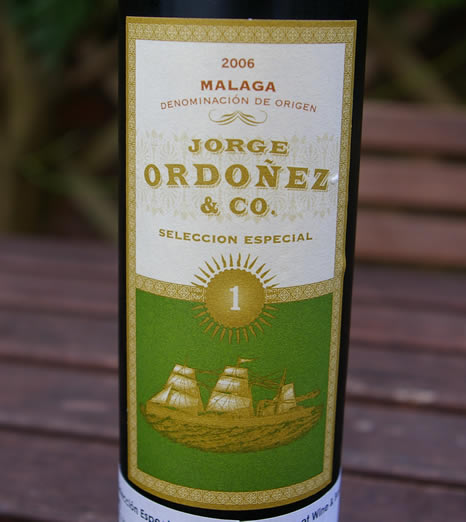
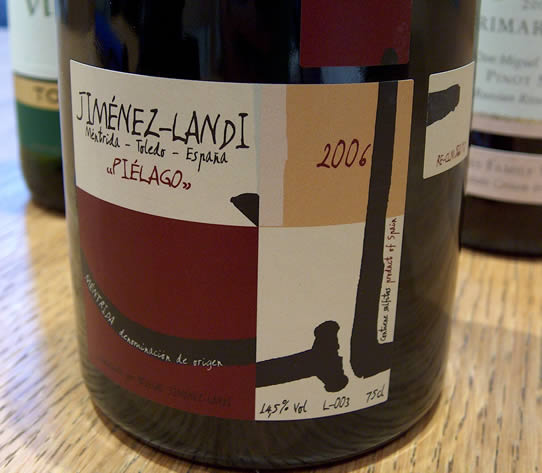
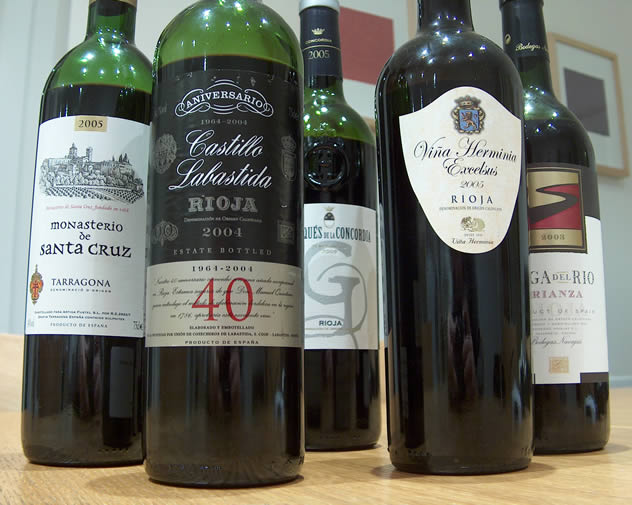
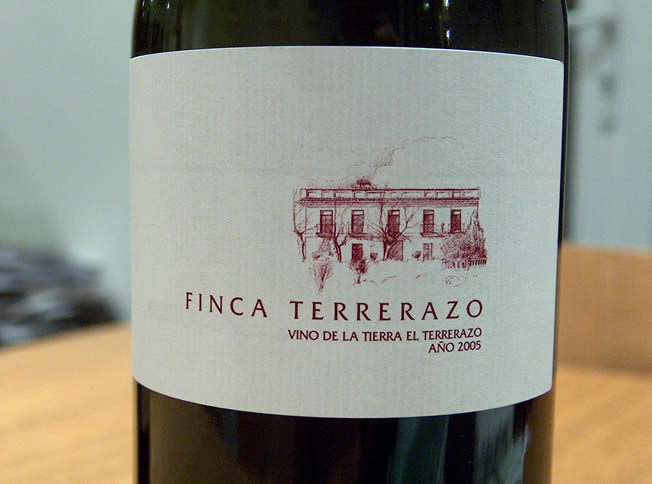
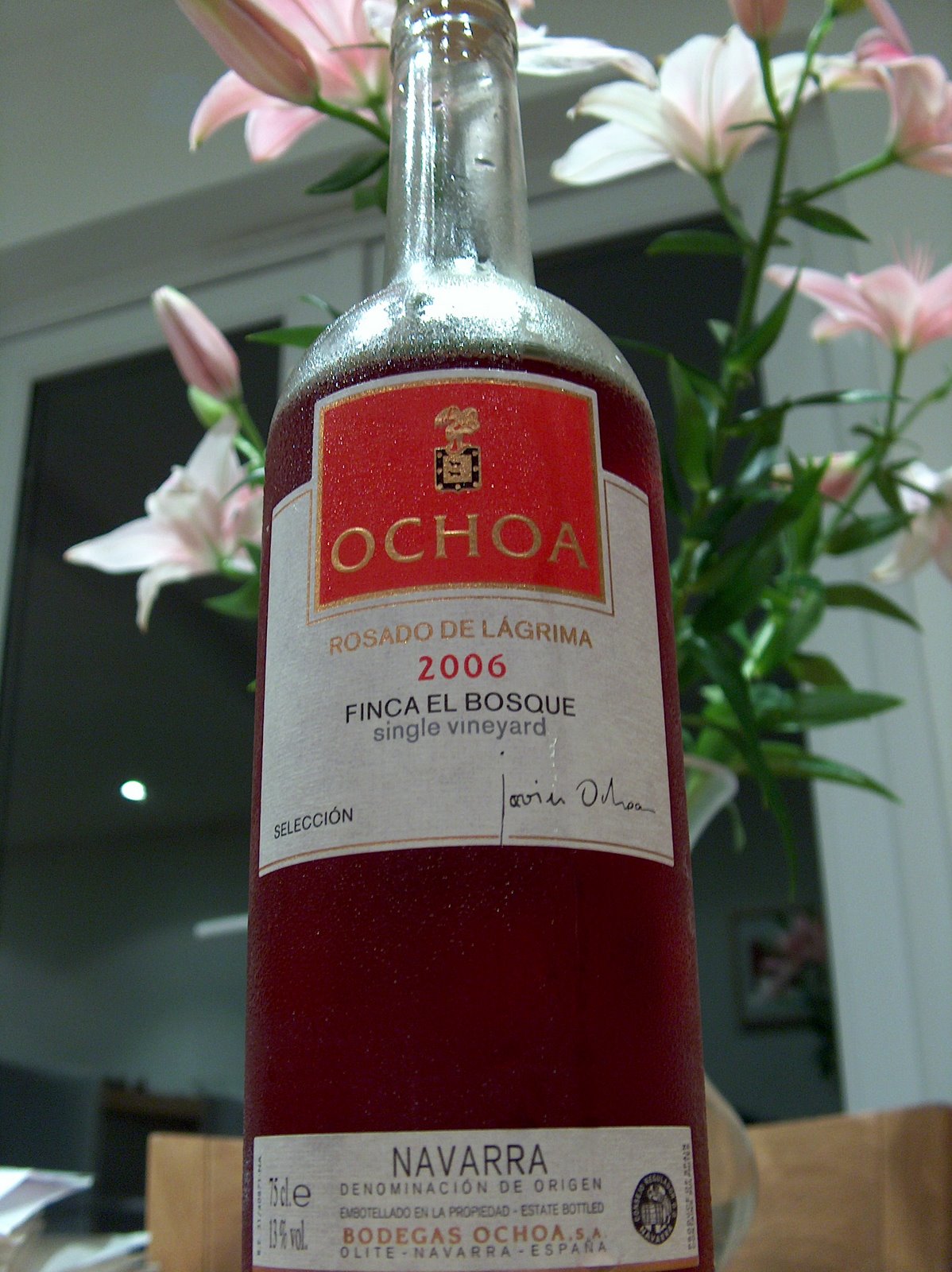
Five Spanish wines tasted tonight in an impromptu line-up. Good, solid commercial wines, these. The two Laithwaites wines were nice surprises: I wasn't expecting them to be up to much, but they were really good.
Last night’s dinner was indeed black tie. It was the Twenty-Fourth Investiture Dinner of the Gran Order de Caballeros del Vino, to give it its full title. I’m not quite sure what the Gran Order de Caballeros del Vino are, other than that three more people joined their ranks last night; that they are almost exclusively male and middle-aged; they have made or promoted or sold Spanish wine to a level at which they are invested by the mysterious ‘Order’; and they get to wear funny hats and red capes at this event each year. Tim Atkin, Charles Metcalfe and John Radford are the journalists I spotted among their ranks.
Anyway, the speeches and general silliness (there was a loyal toast, for example) were kept to a minimum, and it was a really nice dinner with about 300 people in attendance. The wines served were:
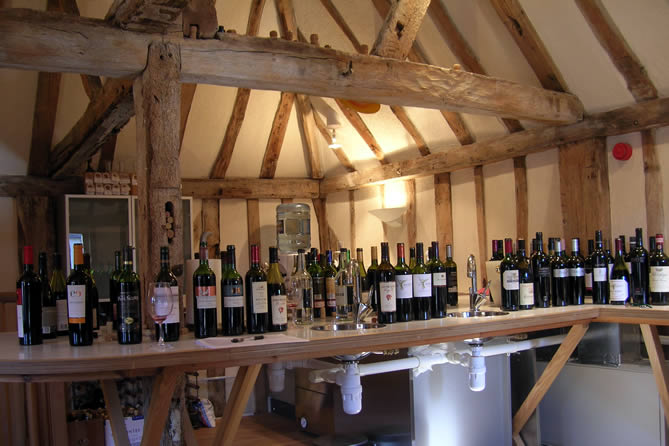
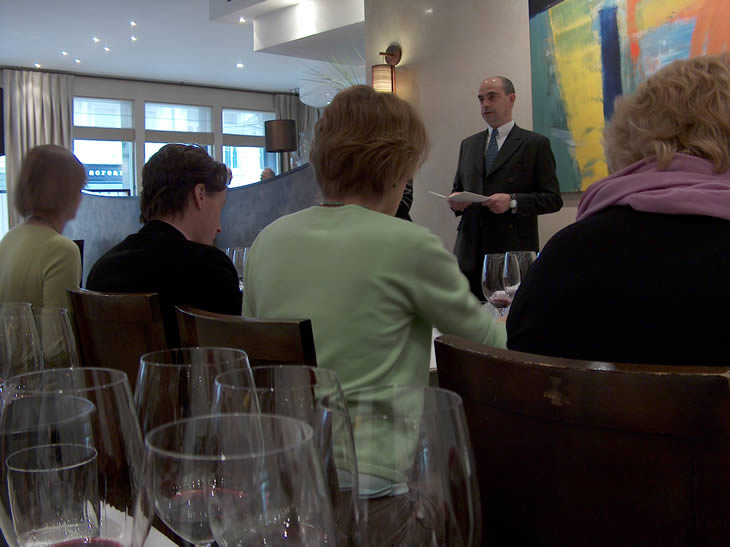
I didn’t leave until almost 2 am, and then had a horridly early start which meant catching the 0810 Stansted Express to visit HwCg at their offices in Bishop's Stortford, close to the airport (their olde worlde tasting room is pictured). My brief was to taste and make notes on the 80 wines that retailer wines4business have just listed, which is actually quite an arduous task, especially when you’ve been up to late the night before. I got there just after nine, having retrieved my coat that, in my sluggish state, I’d left on the train. Phew. It was still there. The 80 wines took just under three hours to taste, and then I had to hurry back to London to taste some Brazilian wines.
Junior Vianna is a Brazilian living in London who is doing his MW dissertation on whether Brazilian Merlot has potential for the UK marketplace, and he needed some help. A crack team of seven of us, including Jo Aherne, Sam Harrop, Peter McCombie and John Worontshak tasted through 17 Brazilian Merlots blind, and then discussed our opinions. It was quite an in-depth session, lasting three hours. The conclusion? Not yet. So ends day three of my freelance life. I think I’ll take it a bit easier tomorrow.
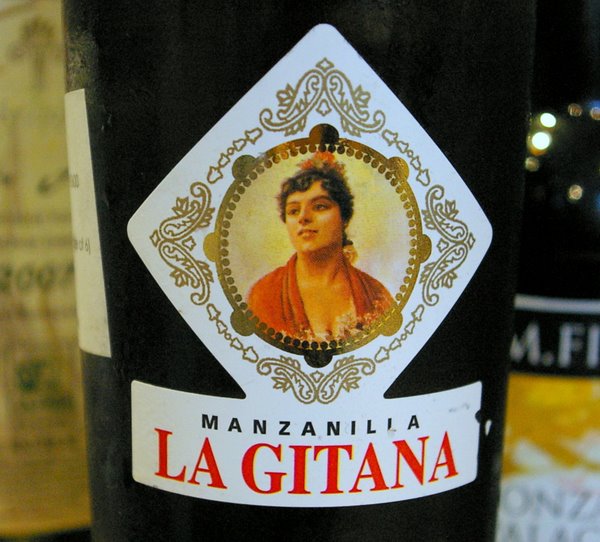
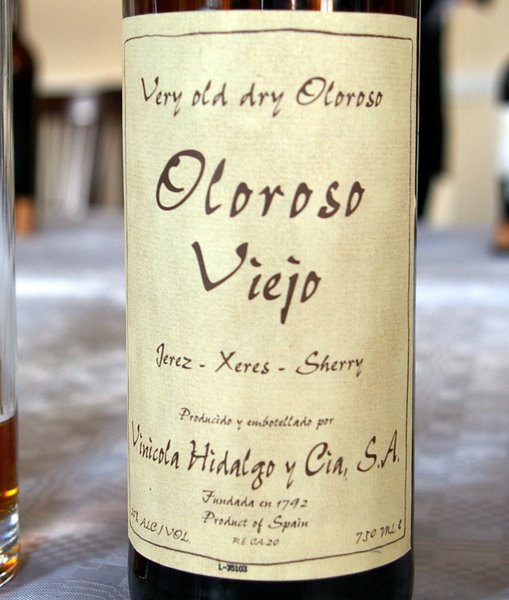
Today I attended a sherry tasting at the offices of William Reed, in Crawley, for Drinks International magazine. It was quite civilized - we were just looking at 23 wines, a mixture of Finos and Olorosos.
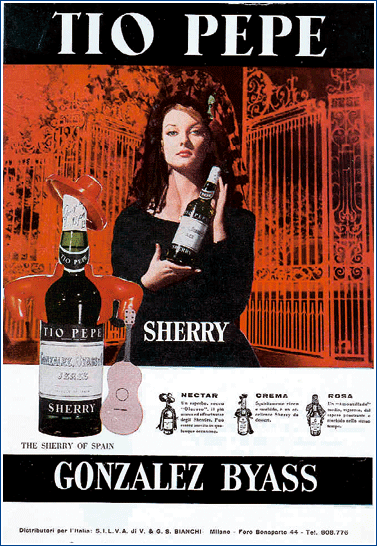
I've just finished writing a commission on Sherry, so I thought it would be appropriate to open some. The bottle I chose is one of the most famous of Sherry brands, Tio Pepe from Gonzalez Byas. It's a fino - a wine made from the main sherry grape, Palomino Fino, that has been aged in cask under a protective layer of yeasts, the flor. This protects the wine from oxygen and contributes a distinctive nutty, appley, yeasty flavour to what would otherwise be a fairly neutral wine. Fortification to 15% adds body to the palate.
Thanks for all the comments on the first video blog. Really useful feedback - and for free! I appreciate it.Labels: albarino, Chenin Blanc, south africa, spain
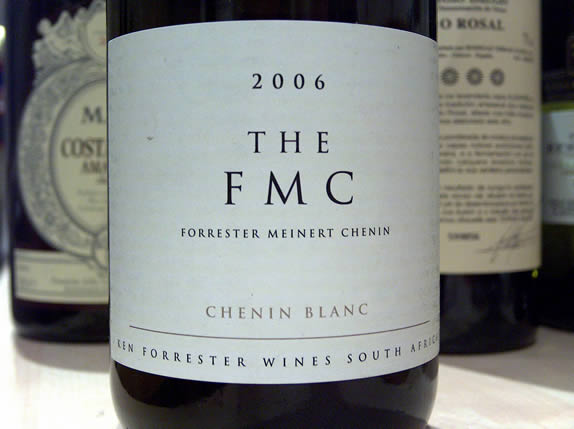
Two Spanish wines tonight, in a distinctly modern mould.
Just been away for a fabulous weekend, staying with my parents in Lidgate, Suffolk. The weather was fantastic, the kids behaved, RTL sort of behaved and we had a good time.
If you pushed me, I’d have to confess to being a red wine sort of guy. It’s reds that I tend to plump for, unless my food choice absolutely dictates a C-thru (as some Aussies refer to white wines).Labels: california, Rioja, Roussillon, spain
I'm slightly worried that with all these accounts of walks in the country en famille you are left with some picture of domestic idyll chez Goode. Let me correct this notion. When we announced to the boys this morning that we were intending to head off to the Surrey Hills for a family walk, there was severe rebellion in the ranks.
Labels: Cabernet Sauvignon, cricket, Grenache, south africa, spain
Labels: california, pinot noir, Priorat, ramblings, spain
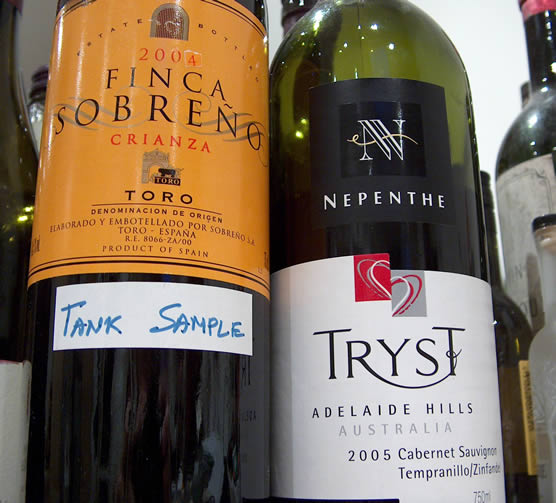
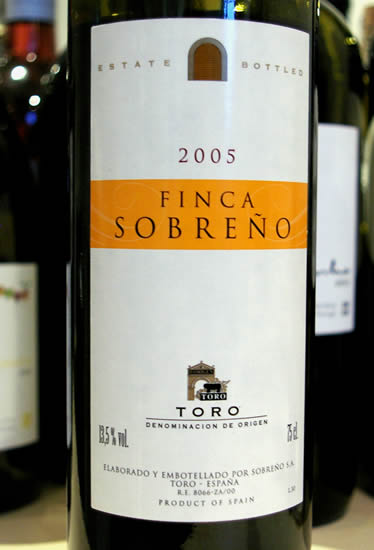
Finca Sobrena Crianza Toro 2004 has the makings of a really good, value for money wine. It's got plenty of well defined fruit, but for some reason the winemaker decided to smother it in the sweet coconut and vanilla perfumed imparted by American oak. The result is a bit sickly. This is a wine that's got some good listings, including Waitrose and Co-op. But I think it's nasty.
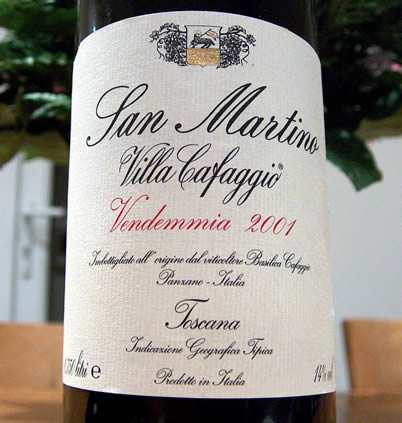
Villa Cafaggio San Martino 2001 IGT ToscanaLabels: Chianti, Italy, spain, torres, wine science
Labels: spain
Tonight was the Circle of Wine Writers Christmas party. Usually these events are hosted by the embassy of a wine-producing nation who then seizes the opportunity to ply the wine hacks and hangers on with booze from their country. This year we were due at the Spanish embassy, but because of refurbishment works we were relocated to the National Gallery (pictured), and a private showing of the Velazquez exhibition.
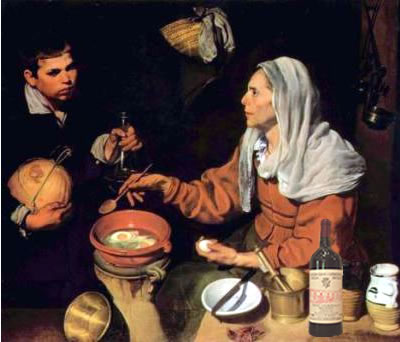
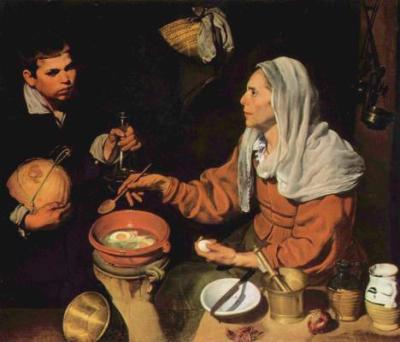
Diego Rodriguez de Silva y Velázquez, to give him his full name, lived from 1599-1660, and is widely regarded as one of the greats. I was particularly thrilled to see a picture that, as a child, I had a small print of - a remarkably intense, detailed portrayal of an old lady cooking eggs, which was painted when Velazquez was just 19 years old (see right).Just a rapid post from the road, in a small town called Badajoz, which is just on the border between Spain and Portugal on the Spanish side. I'm with Cube's James Gabbani, who is as good a travelling companion as you could wish for.
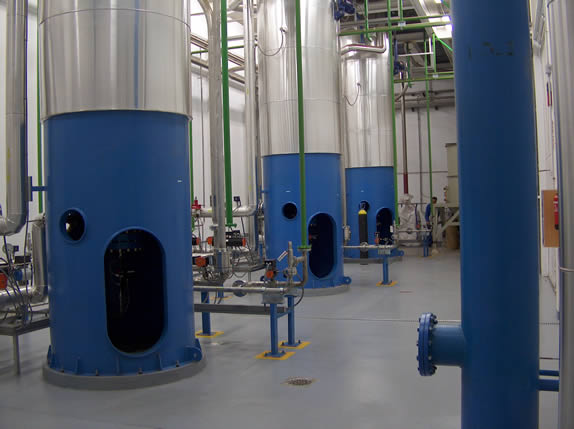
Yes, it's a long way to come to see a closures factory, but what a factory. For those of you unfamiliar with Diam, it's a cork-based closure made by gluing together small fragments of cork with some polymer microspheres to make a uniform, inert 'cork'. Sounds a bit unremarkable, but the amazing thing about Diam is that it is completely taint free, because the cork granules are washed by supercritical carbon dioxide. When Carbon dioxide is subjected to a particular combination of temperatures and pressures it enters the supercritical state, where it has the cleaning power of a liquid and the penetration power of a gas. In short, Diam rocks as a wine bottle closure, and it's causing quite a stir in New Zealand, France, Germany, South America and even Australia...other countries are proving tougher to reach.
Labels: closures, language of wine, spain, wine and the brain
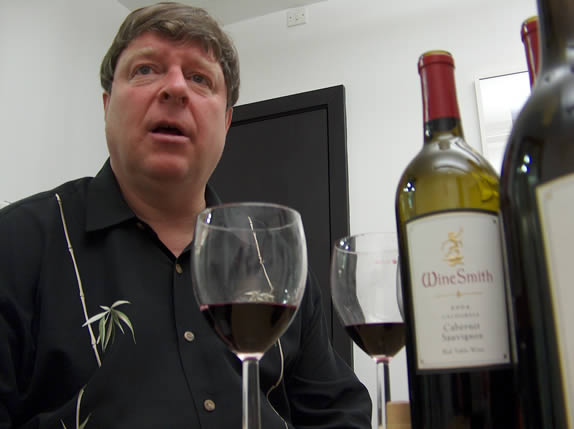
Last night I met Clark and Susie Smith, thus fulfilling one of my long-held ambitions. Clark is the guy behind www.vinovation.com, a hi-tech wine consulting company in California, and I've wanted to meet him ever since I wrote one of my early Harpers technical pieces where I interviewed him by phone. But he isn't advocating using technology to spoofulate wines. Seeing technology as a useful tool, he then sets about using his tool kit, which includes microoxygenation and reverse osmosis, to make more interesting and tasty wines. Not convinced? Well, I'll do a lengthy article soon on this subject, which I hope will explain what I'm getting at.
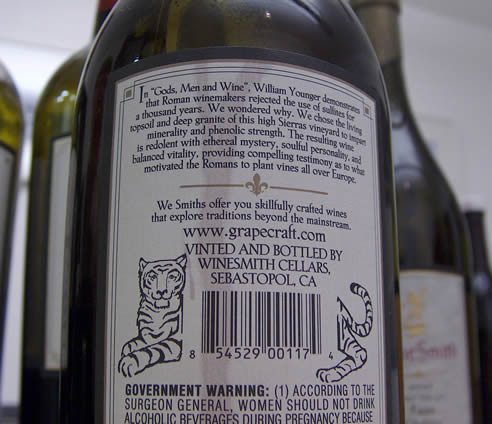
Tonight's tipple is the dregs of one of the wines tried last night. It's the WineSmith Roman Syrah 2003. The remarkable thing about this wine is that it is made without any addition of sulphur dioxide, the almost universally used wine preservative. Clark explains how he made this wine on his own Grapecrafter blog:"To be safe, I began with a wine that could serve as its own preservative, one that would consume oxygen and oppose a microbial takeover on its own, and also a varietal type for which microbial complexity might be regarded as a plus.
I decided to work with a high altitude syrah which had a lot of reductive strength from two sources: tannin and minerality. Raw unpolymerized tannin has the ability to gobble tremendous quantities of oxygen when wine is young. A beneficial side effect of micro-oxygenation is the creation of a rich, light structure which integrates aromas. Oxygen is the wire wisk in creating a tannin soufflé. This is going to keep the wine from smelling spoiled later on when the microbes have their party.
Paradoxically, working properly with oxygen doesn't oxidize the wine -- rather it increases its ability to take up more oxygen. The chemistry of phenolic polymerization is well understood, and in this case, Vern Singleton's 1986 paper on the vicinyl diphenol cascade explains why polymerizing tannins become more reactive than their precursors. "
Labels: california, dinners, spain, wine science